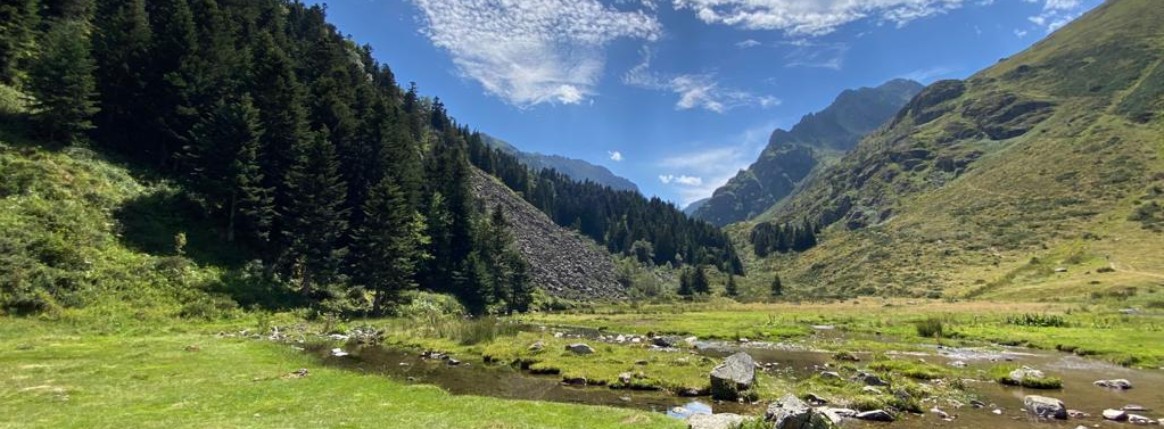
Discover Béarn, the hidden heart of the Pyrenees
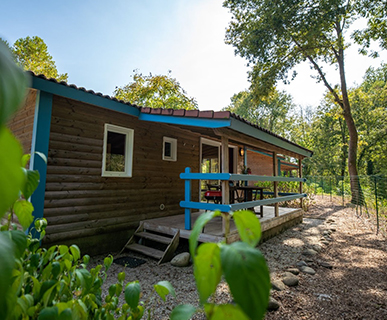
A land of character set against the Pyrenees, Béarn cultivates a strong identity, distinct from its neighbour the Basque Country. It is a region of lush valleys, rushing mountain rivers and towns steeped in history. To start exploring it, our Camping Beau Rivage is an ideal base, being a campsite in Béarn located just 30 minutes away. A perfect spot to roam the area and soak up the Béarn soul.
What to see and do in Béarn?
| Catégorie | À ne pas manquer |
|---|---|
| Histoire & Villes | Château de Pau (berceau d’Henri IV), Navarrenx (“Plus Beaux Villages de France”), Salies-de-Béarn (Cité du Sel) |
| Nature & Aventure | Randonnée dans le Parc National des Pyrénées, vue sur le Pic du Midi d’Ossau, balade le long des gaves |
| Saveurs & Terroir | Dégustation de vin de Jurançon, fromage Ossau-Iraty, la garbure traditionnelle |
| Événements | Fête du Sel (Salies-de-Béarn), Fête des Bergers (Aramits), Hestiv’Oc (Pau) |
What is the unique history of Béarn?
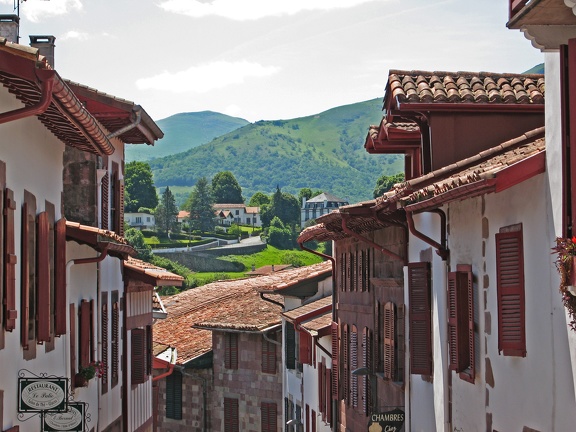
Between the 14th and 17th centuries, Béarn was a sovereign state, fiercely asserting its independence. Under powerful viscounts such as Gaston Fébus, who ruled from his capital Orthez, the territory built fortified castles and its own laws, the Fors de Béarn. This era forged a proud temperament, symbolised by the motto of Orthez: “Toque-y si gauses” (Touch it if you dare!).
The history of Béarn took a decisive turn with Jeanne d’Albret, Queen of Navarre, and especially her son Henri III of Navarre. Born at the Château de Pau in 1553, the future Henri IV of France was, according to legend, baptised with a clove of garlic and a drop of Jurançon wine. Once King of France, he remained deeply attached to his native land.
In 1620, the attachment of Béarn to the French Crown took place under Louis XIII, ending its sovereignty. Later, in 1790, the creation of the Basses-Pyrénées department united this territory with the Basque provinces. In 1969, this department was renamed Pyrénées-Atlantiques.
Which villages are a must-visit?
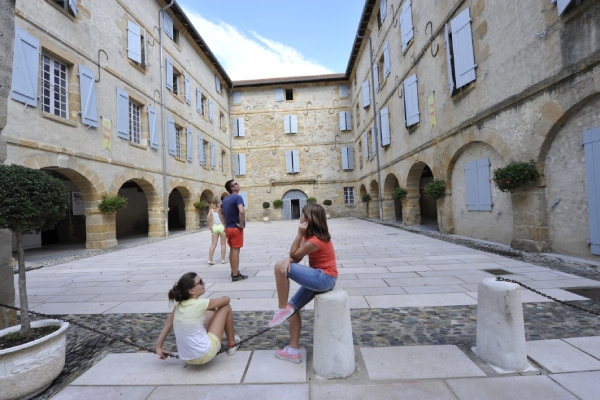
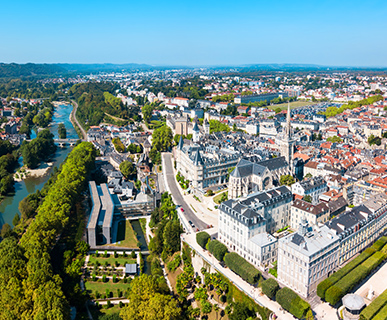
Tourism in Béarn revolves around towns and villages with carefully preserved heritage. Pau, capital of Béarn since 1464, is a royal city awarded the “City of Art and History” and “4 Flowers” labels. Its national château, its Boulevard des Pyrénées revealing a unique panorama, and its 19th-century English villas make it a key stop.
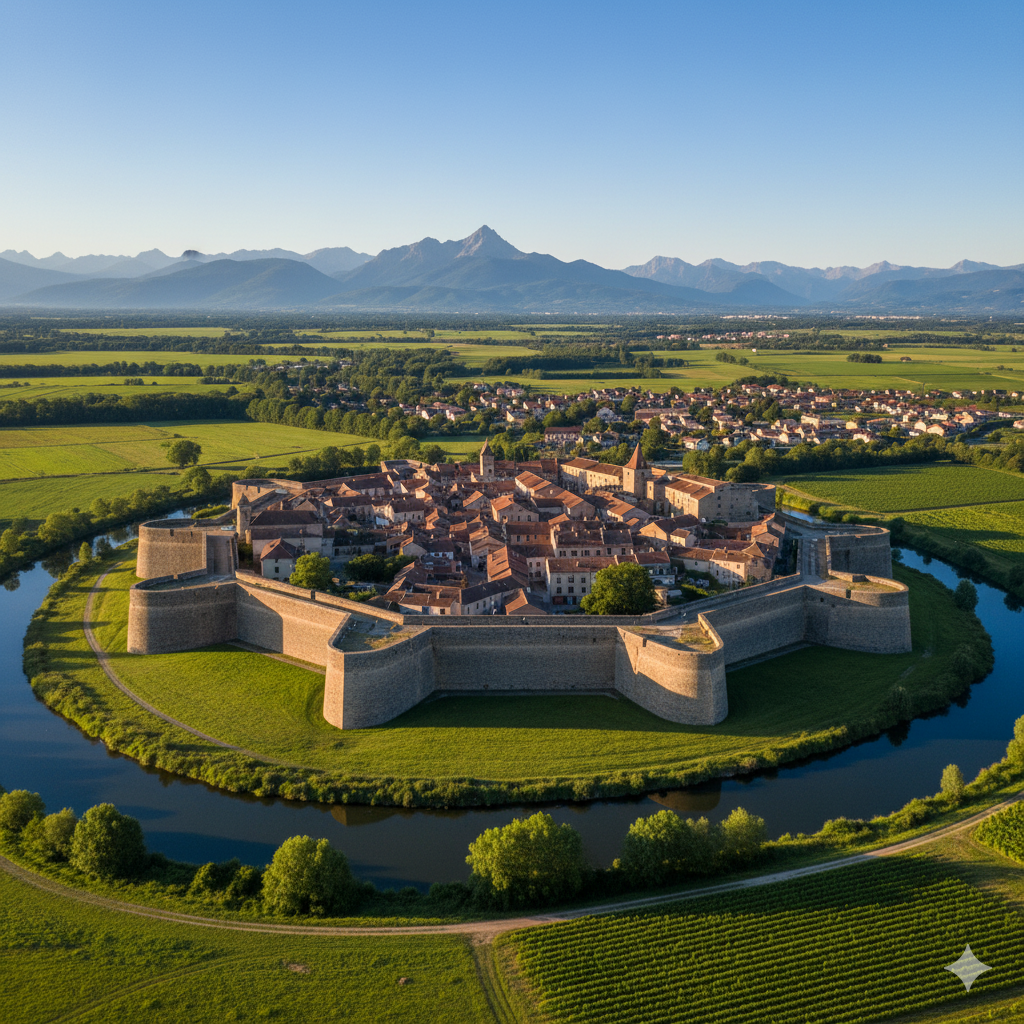
Beyond Pau, the region holds true gems. Navarrenx, the first bastioned town in France, is listed among the “Most Beautiful Villages of France“. Its ramparts are remarkably well preserved. Further west, on the border between Béarn and the Basque Country, Salies-de-Béarn, nicknamed the City of Salt, stands out for its history closely tied to that precious white gold, celebrated each year at the Fête du Sel. The duo of Salies-de-Béarn and Sauveterre is a must-see in the Béarn des Gaves. As for Oloron-Sainte-Marie, capital of Haut-Béarn, it marks the gateway to the Pyrenean valleys.
What to do in the Béarn mountains and valleys?
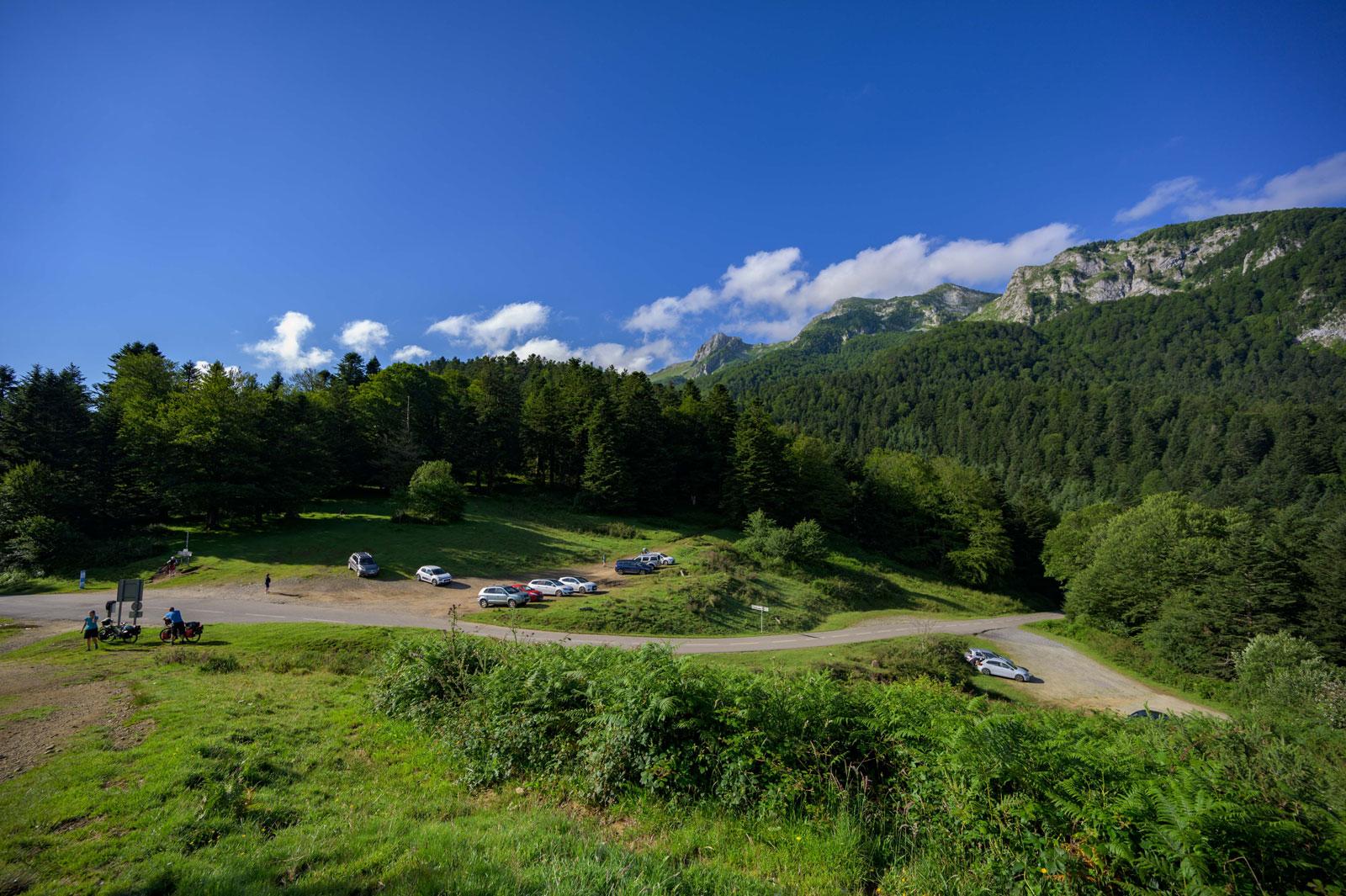
Béarn is, above all, a land of nature, shaped by the Pyrenees. The Pyrenees National Park, created in 1967, protects an exceptional fauna and flora. These spaces are the ideal playground for countless discoveries in the Pyrénées-Atlantiques. To explore this preserved nature, several options are open to you:
- Visiter les trois vallées : chacune possède son propre caractère. La vallée d’Ossau est dominée par la silhouette du pic du Midi d’Ossau. La vallée d’Aspe se révèle plus sauvage et secrète, tandis que la vallée de Barétous est célèbre pour le gouffre de la Pierre Saint-Martin.
- Pratiquer la randonnée : c’est l’activité reine, avec des centaines de kilomètres de sentiers. Le GR10 traverse les montagnes pour les marcheurs aguerris, mais des balades familiales sont possibles vers les lacs d’Ayous ou de Bious-Artigues.
- Découvrir des sites uniques : en vallée d’Aspe, le Chemin de la Mâture est une expérience à part. Ce sentier, taillé à même la falaise au XVIIIe siècle, garantit des sensations fortes et des vues spectaculaires.
- Profiter des gaves : ces torrents de montagne qui sculptent le paysage sont parfaits pour les amateurs de sports d’eaux vives comme le rafting ou le canoë.
What is the typical gastronomy of Béarn?
The gastronomy of Béarn reflects its land: generous and authentic. The most emblematic dish is garbure, a hearty country soup made with vegetables and duck confit. Another historic dish, la poule au pot (chicken in a pot), is the meal that good king Henri IV wished to see on the table of every family in his kingdom.
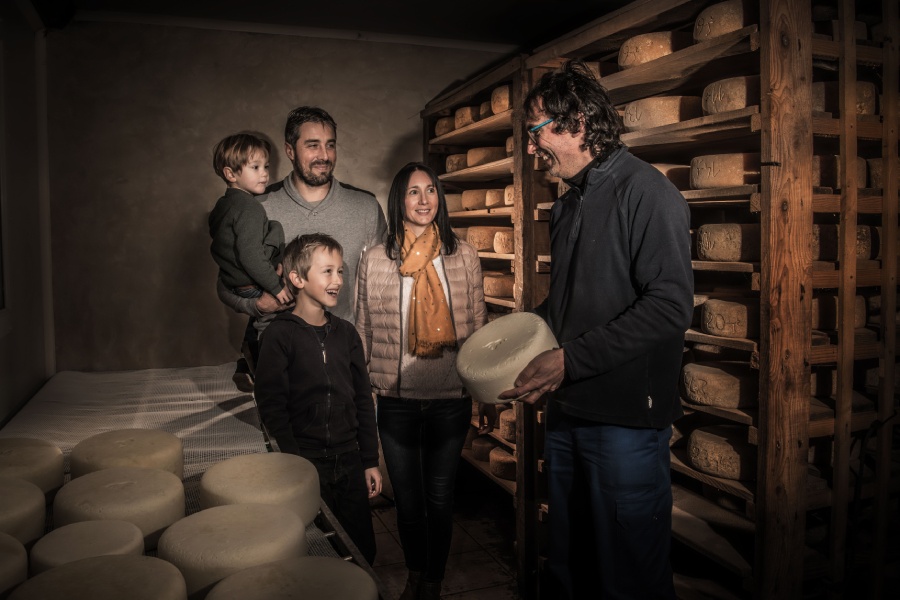
The Béarn terroir is also a land of exceptional products. The Ossau-Iraty sheep’s milk cheese, the only PDO cheese of the Pyrénées-Atlantiques, comes from traditional shepherding.
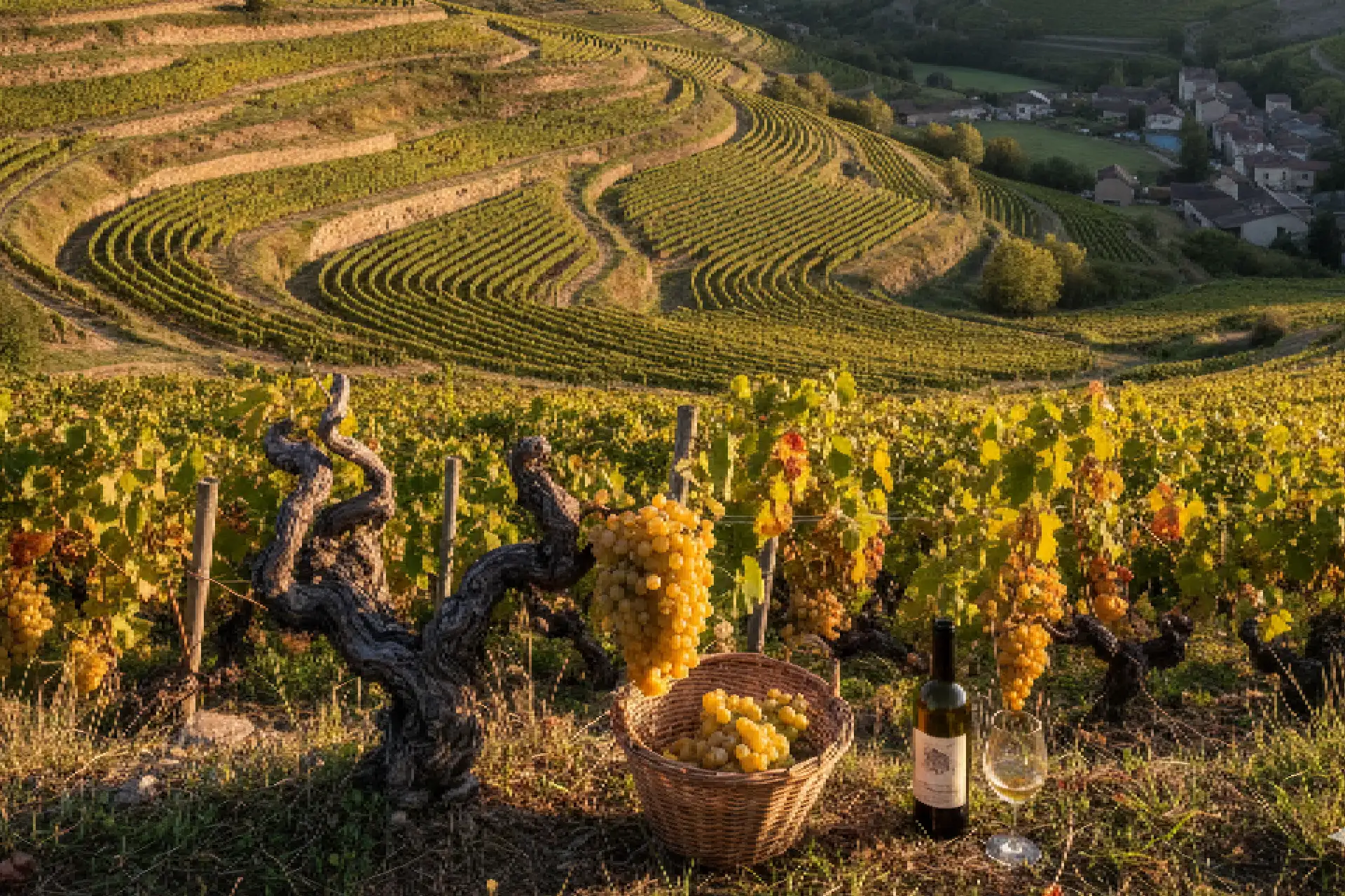
On the wine side, the Jurançon and Madiran vineyards produce renowned bottles. Jurançon, a dry or sweet white wine, and Madiran, a powerful red, are true local treasures. Vic-Bilh is also a wine-growing area producing the Pacherenc du Vic-Bilh, a white wine often sweet.
What are the major cultural events?
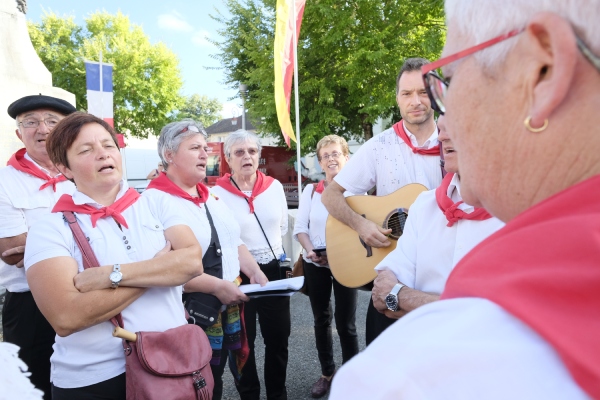
Béarn beats to the rhythm of its traditions through popular festivals that bring towns and villages to life. In Salies-de-Béarn, the Fête du Sel pays tribute every second weekend of September to the White Gold that made the town’s name. Organised by the Jurade du Sel, this event revives traditions with float parades, an artisan market and the famous world championship of sameaux carriers, those emblematic wooden buckets.
Also in September, the Fête des Bergers in Aramits is a vivid tribute to pastoralism. For four days, the Barétous valley lives to the beat of mountain traditions. The highlight is the sheepdog trial, where you can admire the incredible bond between the shepherd and the dog guiding the flock.
Finally, at the heart of summer, Pau comes alive with Hestiv’Oc, the great festival of southern music and cultures. Free and lively, it transforms the city into an open-air stage where the sounds of Occitania, the Basque Country and Catalonia meet. A moment of sharing and conviviality celebrating the identity of the South.
Are Béarn and Bigorre cousin lands?
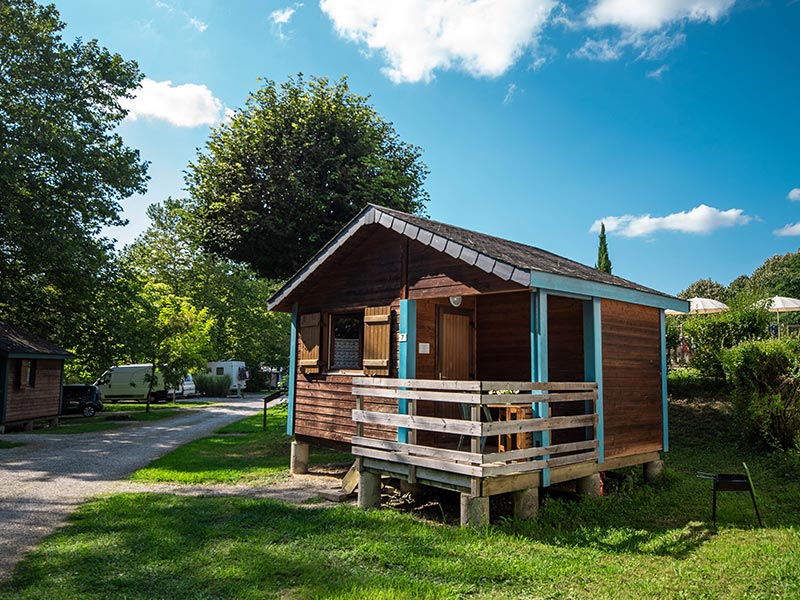
Yes, Béarn and Bigorre are two neighbouring cousin lands, sharing a common Pyrenean culture, especially in their pastoral traditions. Both set against the Pyrenees range, they share similar landscapes of valleys and peaks. Yet their histories differ: Béarn was a sovereign viscounty, while Bigorre was a county that followed a different path, now part of the Hautes-Pyrénées department. After a day rich in discoveries, whether following the footsteps of Henri IV or hiking a mountain trail, rest is essential. Our campsite near Salies-de-Béarn awaits you to recharge in the heart of this authentic country, a true base camp for all your adventures.